
Black Friday 2025: Is a Personal Loan Worth It for Sale Shopping?
Key Takeaways
Smart Borrowing: Taking a short-term loan can be rational if you need to replace an essential broken appliance immediately and have a clear repayment plan.
Avoid the "Ghost Store" Trap: Be wary of fake online stores with ".com" domains or no ABN that use urgency to sell poor-quality goods; check reviews before buying.
Calculate the Real Cost: Before buying, calculate the total interest and fees of any loan or credit card debt; if it wipes out the Black Friday discount, don't do it.
Watch for Regulatory Risks: Be cautious of lenders pushing you into larger loans than you need, a practice recently flagged by ASIC reviews of small-amount credit contracts.
Black Friday and Cyber Monday are fast approaching (28 November to 1 December), and this year’s event is shaping up to be one of the most significant yet. According to the Australian Retailers Association (ARA), consumers are poised to spend $6.8 billion over the four-day weekend, a 4% increase over last year.
About 6 million people are expected to shop in this period, with an average planned spending of $804 per person. With such large sums moving, it’s tempting to borrow to lock in big-ticket deals. But is going into debt for Black Friday ever a smart financial move? It depends. Sometimes yes, sometimes no.
Here’s a detailed and balanced guide on when borrowing may make sense, and when it’s better to steer clear.
When Borrowing Might Be Justifiable
There are specific scenarios in which taking on debt to get a sale deal during Black Friday can actually be financially rational.
Replacing an Essential Appliance
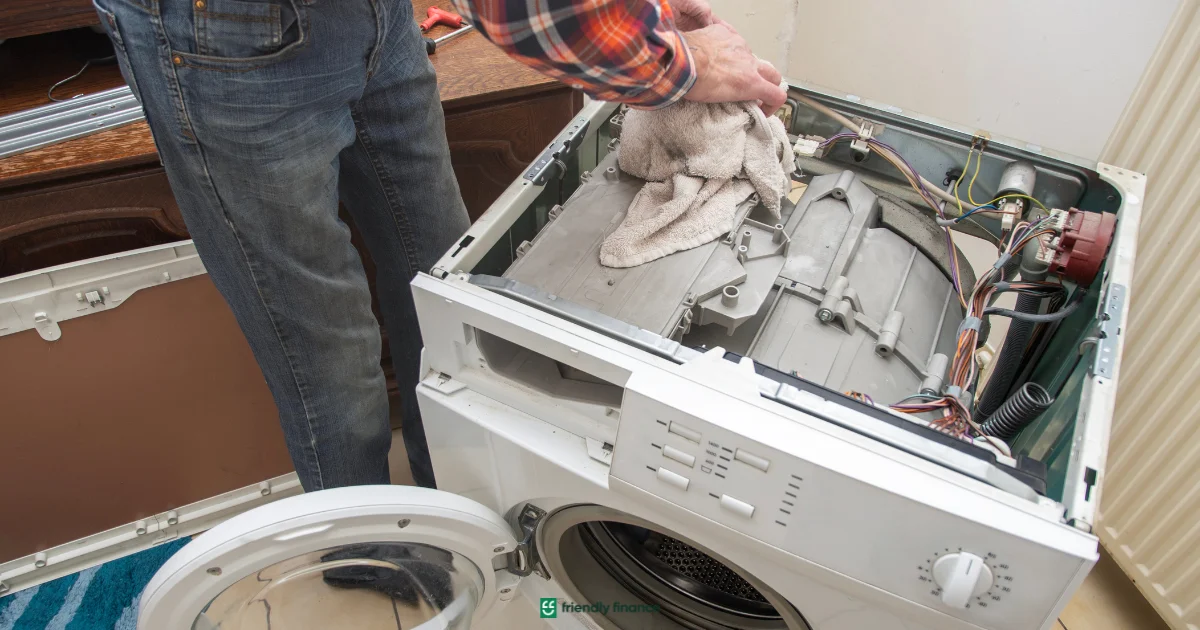
If a critical appliance, such as your fridge or washing machine, breaks just before Black Friday, you might find a deeply discounted replacement. If you’ve found an essential appliance at a record-low price but payday is still a week away, short term loans can provide the bridge funds to secure the deal before the sale ends.
This strategy only makes sense if:
The discount is genuinely large enough that it offsets the cost of borrowing;
The loan term is short, and you’re confident you can repay quickly;
You already have a repayment plan in place before borrowing.
Currently in this exact situation? We got your back! Apply through Friendly Finance today and get the funds you need just in time before the big sale begins. Our application process is quick, easy, and completely done online.
Avoiding High-Interest Credit Card Trap

Credit cards are often the go-to for Black Friday buys, but their high interest rates and revolving nature can lead to long-term debt. Credit cards may be a good option if you have the means to pay the full amount on your next due date. But if you want more control, a fixed-term personal or online loan may be a better choice.
For shoppers who want to avoid high-interest credit cards, applying for online loans can be a way to set a fixed repayment limit for your shopping.
With this structure:
You know how much you’ll pay each month;
There’s no temptation to keep charging more once the sale is over;
You can budget repayments clearly, which helps avoid ballooning debt.
📖 Related Read: Comparing Credit Cards and Personal Loans
When Borrowing Is Probably Not a Good Idea
While some borrowing cases make sense, many of the reasons people take on debt during Black Friday are risky, especially when the purchase isn’t necessary, or the borrowing terms are unfavourable.
Risk of Misleading Discounts
Black Friday deals are not always as deep as they appear. Consumer protection issues have come up repeatedly. The ACCC warns shoppers to be wary of “ghost stores”, websites that pose as Australian businesses but deliver poor-quality goods or don’t deliver at all. These sites often create urgency with “closing down” sales, but they don’t honour returns and lack real contact details. If you're borrowing to buy from a site, you must be certain it's legitimate.
It's also important to consider that stores offer discounts throughout the year. If something is unaffordable despite it being a Black Friday Sale, it may be more ideal to hold-off on any purchase and wait until you can afford to pay the item without having to loan or use credit cards.
Scams and Fraud Risks
Fake or misleading “sale” offers are a serious concern. The ACCC has published a set of red flags to help identify ghost stores: these include websites that use a “.com” instead of “.com.au,” lack ABNs, or require returns to overseas addresses. These scams prey on shoppers’ emotions, using urgent closing-down claims or overly discounted offers to push people into buying quickly.
If you borrow money (especially via a loan) to pay for a supposed deal, only to find the store is fake or the product is of poor quality, you could be left with debt and nothing of value.
Regulatory Risks with Short-Term Credit
The Australian Securities and Investments Commission (ASIC) recently reviewed small-amount credit contracts (SACCs) and found troubling practices. Some lenders may be steering consumers into riskier or inappropriate credit products.
In its report, ASIC noted that a few lenders offered more credit than consumers initially requested, potentially exposing people to debt they don’t need or can’t repay. This means not all short term loans are safe, especially when offered by lenders who might be avoiding regulatory obligations.
BNPL (Buy Now, Pay Later) Risks
Buy Now, Pay Later offers are also popular during Black Friday Sales, and it’s closely related to consumer credit risks. Some consumer groups are calling for tighter regulation, arguing that BNPL can lead to serious debt spirals.
Also, a recent Reuters report noted that Afterpay users are being nudged toward credit cards, which implies that some lenders may be restructuring debt into riskier products
In other words, BNPL may feel low-risk, but under certain conditions, it can turn dangerous, especially around big sale events.
📖 Related Read: A Complete Guide to Buy Now Pay Later for Australians in 2025
How to Decide Whether to Borrow for Black Friday
Here is a practical checklist to run through before you decide to borrow:
Do you truly need the item right now? Is the purchase essential, or just something you “wish” for?
Is the discount real? Use price trackers or historical pricing tools (or browser plugins) to check whether the sale price is actually lower than recent prices.
How much does borrowing cost? Calculate total interest + fees vs the amount you’re saving. If the borrowing cost wipes out the discount, don’t do it.
Can you repay quickly? Only borrow if you have a clear plan for how and when you will repay.
Is the seller trustworthy? For online purchases, check the retailer’s domain, ABN, and reviews. Verify via ACCC ghost-store guidance.
Have you considered cheaper alternatives? For example: waiting, paying cash, or using savings instead of debt.
Final Verdict
Black Friday 2025 will likely offer some very compelling deals, especially on large or essential items. In certain cases, borrowing can make sense: replacing a broken appliance, getting a legitimately deep discount, or using a fixed-term loan instead of expensive credit card debt. But borrowing should never be the first impulse in a sale. The combination of high-pressure marketing, regulatory risk, and fraud means that debt-financed shopping can go very wrong very fast.
If you do choose to borrow: be intentional, be cautious, and make sure the math really works out. Use the deal to your advantage, not as a trap.
If you’ve decided to acquire a quick loan, Friendly Finance can help make the process even faster! Apply through our website today and we’ll be sure to find you a loan match before Black Friday begins.