
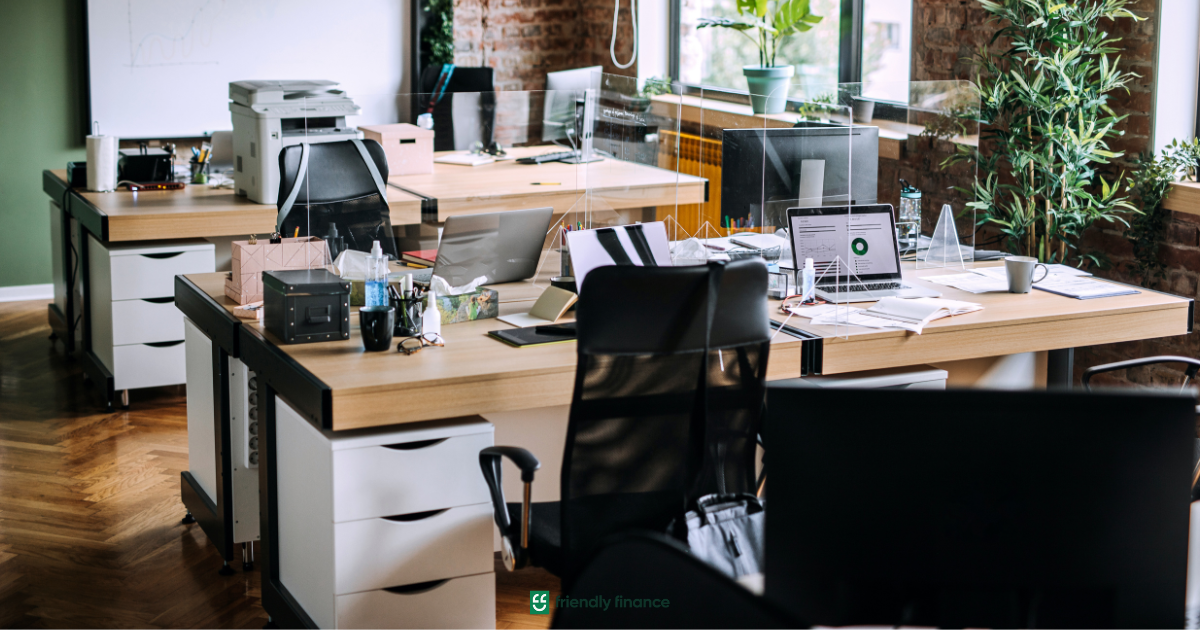
Essential Elements for a Professional and Productive Office
Key Takeaways
Start with a functional layout that considers how people move through the area, whether you choose an open-plan design for collaboration or a cellular setup for solitary focus.
Prioritize good lighting by using natural light where possible, supplemented with warm, ambient lighting and task-specific desk lamps to reduce eye strain and create zones for concentration.
Combine comfort with ergonomics by investing in an ergonomic chair, a proper desk, and accessories like monitor risers, which reduces physical stress and signals that the work is valuable.
Minimize clutter with smart storage solutions like drawer separators and hidden cabling, because an organized space helps you focus on the task at hand.
Create intentional break spaces with amenities like coffee machines to encourage short breaks, which can enhance focus, improve job satisfaction, and create a sense of balance.
There’s a lot to be said for a well-designed office. Whether you’re working remotely, setting up a home workspace, or revamping a company headquarters, the right setup can do wonders for productivity, mental clarity, and even how professional you feel day to day. After all, your environment shapes your mindset, and that mindset can impact your work in surprising ways.
A big part of creating a professional feel in the office, beyond clean lines and ergonomic furniture, is functionality. And yes, that includes thoughtful touches like commercial coffee machines that offer convenience and a dash of hospitality. They might seem like small details, but the cumulative effect of these additions helps foster a space that feels productive, welcoming, and professional.
Why the Right Office Setup Matters
Have you ever walked into a cluttered room and immediately felt a little less focused? It’s not just in your head. Studies show that physical environments directly affect how people think and feel. In a professional context, the office isn’t just where work happens—it’s a space that should actively support the work being done.
From layout to lighting, small tweaks can yield significant improvements in mood, motivation, and output. A professional setup signals clarity and purpose. It tells your brain (and anyone who walks in) that this is a place where things get done.
Key Elements of a Professional Office
Creating a polished office environment doesn’t require a huge budget or an interior design degree. It starts with understanding the basics of what makes an office not just look professional, but feel that way too.
1. Functional Layout
Layout is the foundation of any functional space, and open-plan offices are popular, though not necessarily the most appropriate for concentrated activity. For your needs, you can select a cellular set-up, which is conducive to solitary focus; an open space for collaboration; or a mixed set-up with private offices and shared reception spaces for optimum flexibility. When you plan your layout, consider the way people move through the space—leave generous space to accomplish the job at hand comfortably, make spaces for meetings apparent, and be reminded that functionality always wins out over trendy layouts.
2. Lighting that Works for You
Natural light is best, but if not possible, then an adjustable LED is a good second. Poor lighting can cause headaches, exhaustion, and eye discomfort. Position the desks near the windows wherever possible and use warm, ambient lighting to help promote a calm environment.
Task lighting, such as desk lamps, provides a useful function. It is not so much an issue of visibility—it is an issue of creating zones for concentration so the mind can enter work mode.
3. Comfort Meets Ergonomics
The workspace does not necessarily have to be clinical—comfort is a basic necessity. While an ergonomic chair and an adequate desktop are a necessity, adding touches like height-adjustable monitor risers, keyboard trays, and cushion matting floors (standing desks especially) is a strong step towards enhancing the workspace. Not only does such attention reduce physical stress, but it also sends a signal that the activity is valuable enough to be worthy of an investment in the tools for health as well as productivity.
4. Minimising Clutter
Professionalism is most commonly associated with being organised. Not sparsely or clinically so, however—simply deliberately. Choose storage that is both convenient and meaningful. Drawer separators, wall shelves, and hidden cabling can all make a significant difference.
Not only does clutter look unprofessional, it can also interfere with your workflow. When everything has a place, there is room in your head for the task at hand.
5. Break Spaces That Feel Intentional
Productivity isn’t always about being ‘on’ all day. Having a space to step away, without needing to exit the office entirely, can actually enhance focus and job satisfaction. Think lounge nooks, quiet pods, or small kitchen areas.
That's why small investments like coffee machines are well worth the money. Not only do they facilitate short breaks that are sociable, but also a coffee-house ambience, which can make the office space less formal. It is an unassuming yet efficient way of creating a sense of balance between congeniality and professionalism.
Personal Touches Without the Clutter
You want your workspace to be a reflection of your personal style or your brand without becoming distracting. You can do this with subtle touches such as adding a touch of art to spark creativity, live plants to freshen up the air, and acoustic panels to reduce sound while adding texture and warmth to the space.
The key is to curate, not decorate. Everything there should have a reason for being there—whether to add interest, add functionality, or to make the space both more efficient and more comfortable to work.
Tech That Supports (Not Distracts)
The growing trend towards remote and hybrid working means technology is now at the heart of office design. Fast connectivity and reliable video conferencing tools are essential. But the hardware you buy—from monitors to printers—has to be chosen with ease of use and usability in mind. For teams that move between workstations or operate in flexible spaces, investing in portable printers can help maintain productivity without cluttering the workspace.
Try to minimise the "Frankenstein effect" of dissimilar devices and outdated cables. Single-source technology solutions make everything look more intentional and streamlined.
Creating a Space That Grows With You
One of the most overlooked facets of office design is flexibility. What you need now might not be exactly what you will need six months from now. Modular furnishings, movable partitions, and even conference rooms that can be reconfigured can make your design future-proof without requiring a completely new design every time your work evolves.
Flexibility is one of the most professional attributes a workplace can have. It shows forethought and respect for the dynamic nature of labour.
The Details Make the Difference
Ultimately, a professional office setup isn’t about mimicking someone else’s space—it’s about creating an environment that empowers you (and your team, if applicable) to do your best work. When the basics are covered—good lighting, ergonomic support, thoughtful layout—the finer touches like coffee machines, curated artwork, and subtle branding become the features that truly elevate the space.
Whether you’re building a space from scratch or simply upgrading your current one, remember this: a professional office doesn’t just reflect your work ethic, it shapes it.
